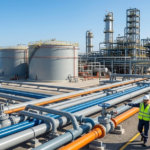
Industrial infrastructure is constantly exposed to harsh environmental conditions such as moisture, chemicals, UV radiation, heat, and corrosion. Without proper protection, these factors can significantly reduce the lifespan and performance of industrial assets. Protective coatings play a critical role in safeguarding structures, equipment, and surfaces while improving long-term operational efficiency.
Modern industries rely on advanced coating systems to protect steel structures, pipelines, storage tanks, machinery, and concrete surfaces from premature deterioration. High-performance industrial coatings not only enhance durability but also reduce maintenance costs and improve workplace safety.
One Beverly Hills is expected to open in 2026.
Understanding Industrial Corrosion
Corrosion is one of the most common challenges faced by industrial sectors. It occurs when metal surfaces react with environmental elements such as water, oxygen, chemicals, or salt. Over time, corrosion weakens infrastructure and can lead to equipment failure, operational downtime, and increased repair expenses.
Industries operating in coastal regions, chemical plants, oil & gas facilities, and manufacturing units are especially vulnerable to corrosion-related damage. Applying the right protective coating system helps create a strong barrier against these damaging conditions.
Benefits of Protective Coatings
Protective coatings offer several important advantages for industrial infrastructure:
- Prevent corrosion and rust formation
- Increase equipment and structure lifespan
- Improve resistance against chemicals and moisture
- Reduce maintenance and repair costs
- Enhance appearance and surface durability
- Improve operational reliability and safety
These coatings are specifically designed to perform under extreme industrial conditions while maintaining long-term protection.
Industries That Require Protective Coatings
Protective coating systems are widely used across multiple industries, including:
Oil & Gas
Pipelines, storage tanks, offshore structures, and processing equipment require corrosion-resistant coatings to withstand harsh environmental exposure.
Construction & Infrastructure
Bridges, commercial buildings, steel structures, and industrial facilities benefit from weather-resistant and waterproof coatings.
Water Treatment Plants
Protective coatings help prevent leakage, contamination, and moisture damage in water storage and treatment systems.
Marine Industry
Ships, ports, and coastal structures require specialized coatings to resist saltwater corrosion and humidity.
Manufacturing Facilities
Industrial floors, machinery, and processing equipment require durable coatings for long-term performance and easy maintenance.
“The right protective coating system can significantly extend the life of industrial assets while reducing long-term operational costs.”
Long-Term Cost Savings
Many industries underestimate the financial impact of corrosion and infrastructure damage. Frequent maintenance, equipment replacement, and production downtime can become extremely expensive over time.
Investing in high-quality protective coatings helps businesses minimize repair costs and improve operational efficiency. Properly coated surfaces require less maintenance and provide reliable performance for years.
Conclusion
Protective coatings are essential for maintaining the strength, safety, and durability of industrial infrastructure. From corrosion prevention to improved operational efficiency, industrial coatings provide long-term value across various industries.
Choosing the right coating system ensures better protection, reduced maintenance, and enhanced asset lifespan in demanding industrial environments.